
Today, we went on a tour of Amritsar, visiting many places, having dinner and ending at the Attari–Wagah border for the banging of the Gates ceremony.
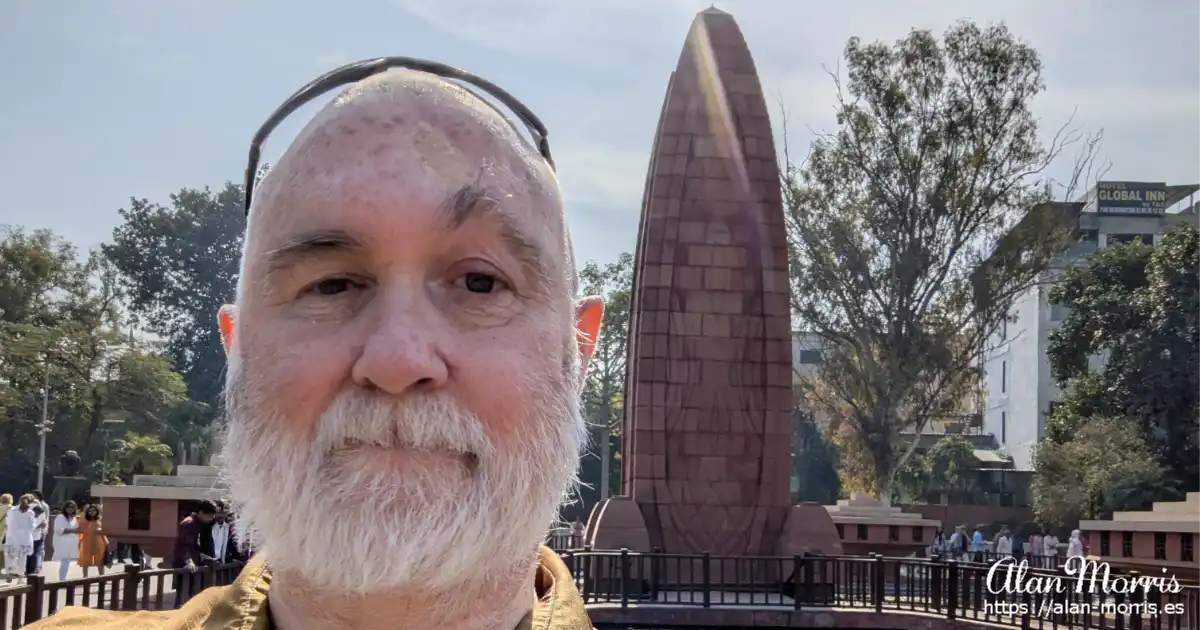
Our first trip of the day was back into the centre of Amritsar, and after a short coach trip. We were met by our tour guide from last night, who would take us on our tour around different places in Amritsar, and we walked the short distance to our first stop, the Jallianwala Bagh.
Jallianwala Bagh.
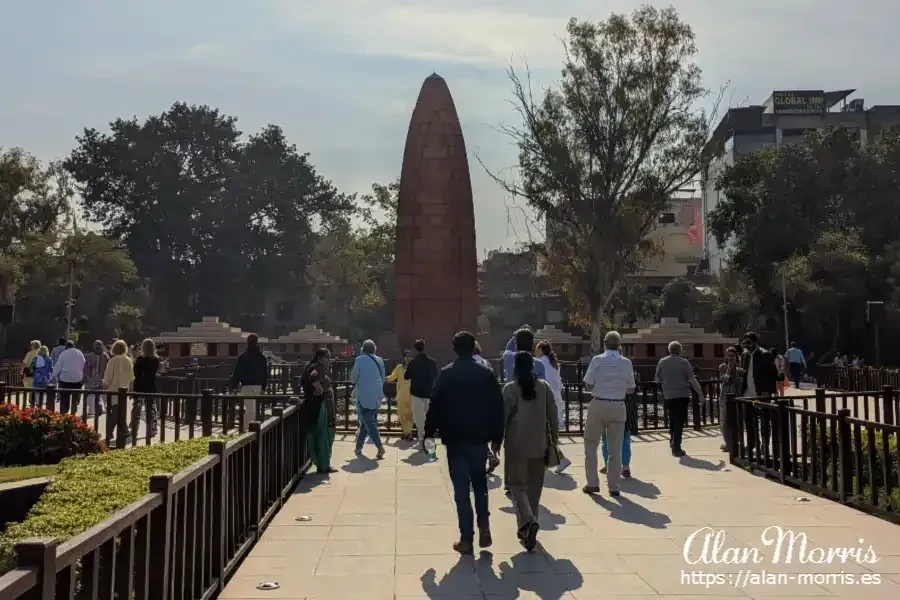
I had never before heard of Jallianwala Bagh or the events there, and knew nothing about them before our visit there. I left wanting to learn more about the event, the people involved and how the massacre happened, in this disgraceful event in British history.
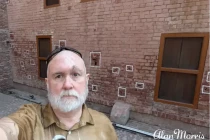
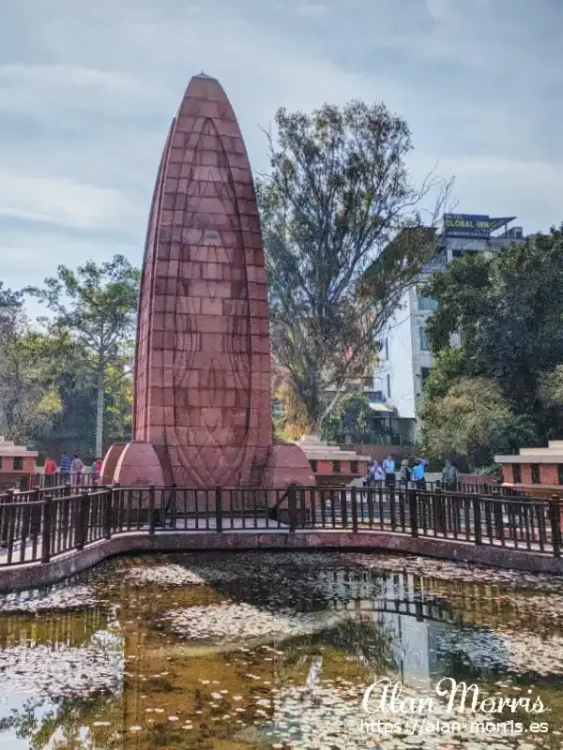
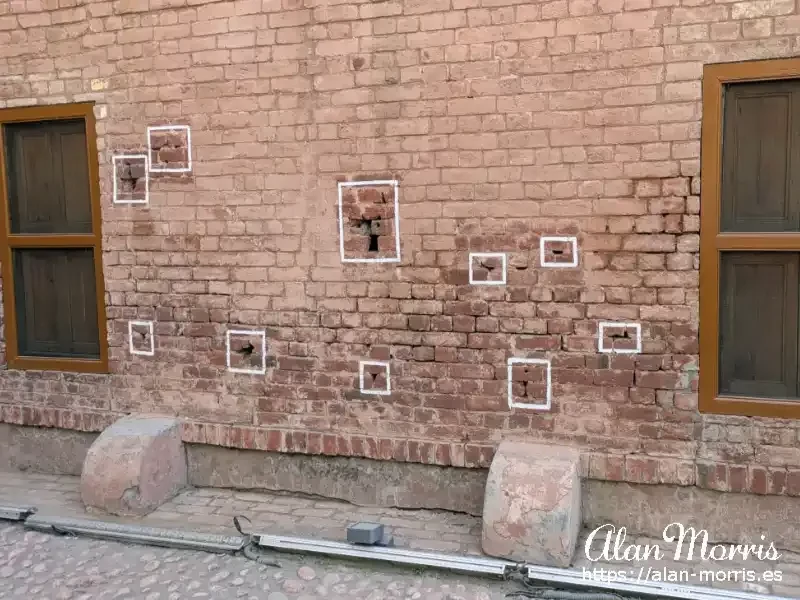
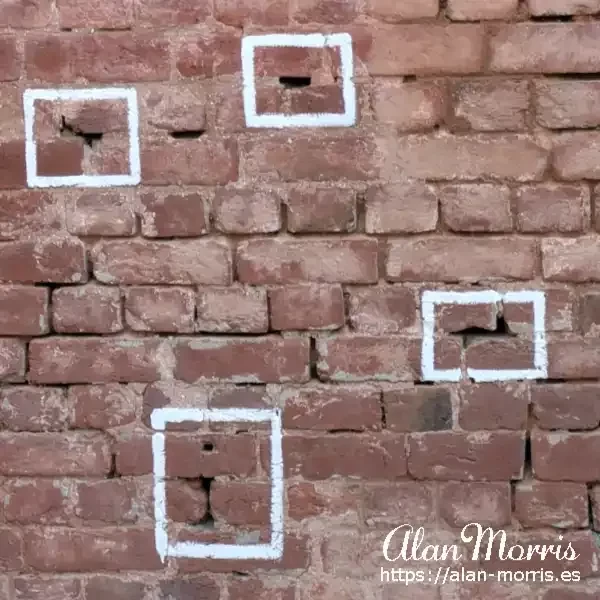
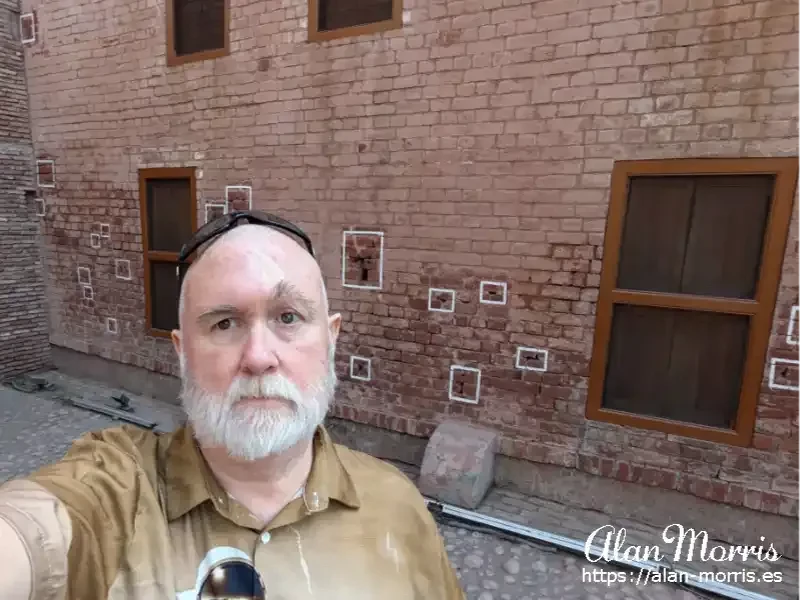
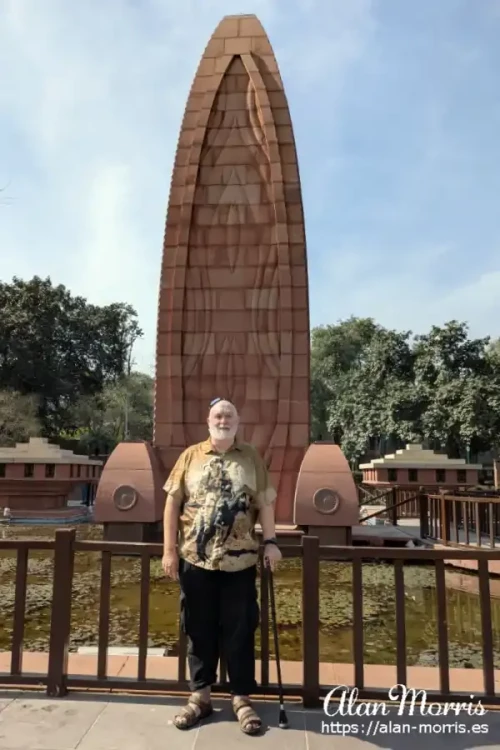
I thought the gardens were lovely and could imagine people gathering there out of the heat of the sun. The memorials there were quite plain, but the bullet holes in the buildings surrounding the garden leave a poignant reminder of the atrocity that happened there.
Jallianwala Bagh Photos.
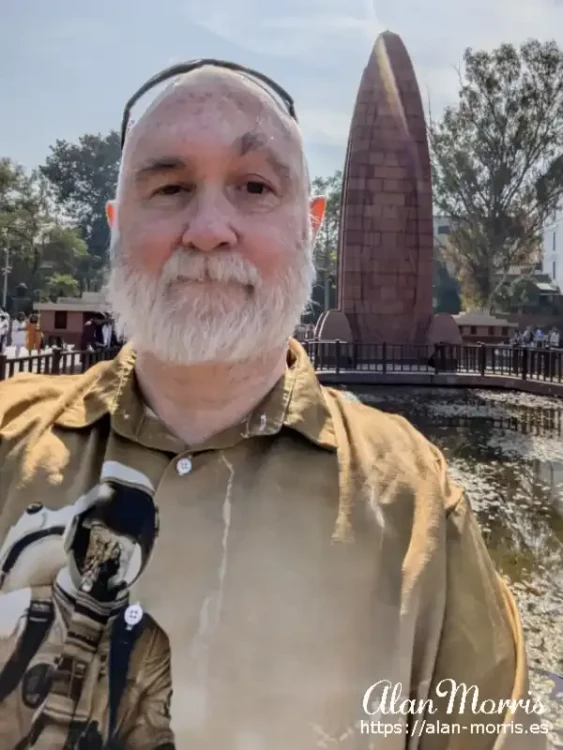
These photos were all taken on my short visit to the Jallianwala Bagh in Amritsar.
Click on any image to see a larger version of the image with a description. Use the navigation below the thumbnail images to see the previous set of images, the next set of images, or the previous or following photo albums.


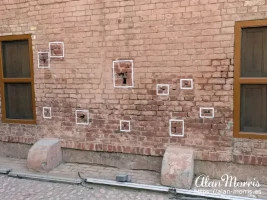
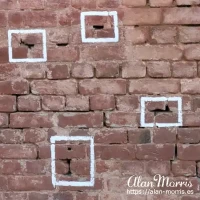
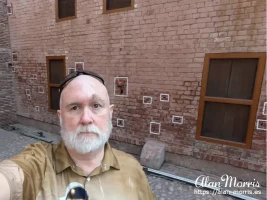
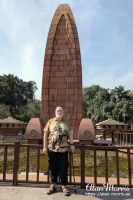

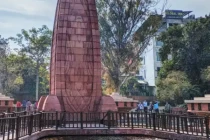
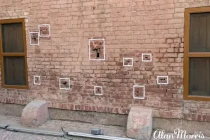
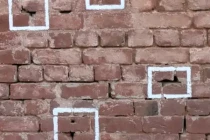
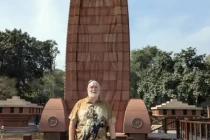
When we left the Jallianwala Bagh, our guide pointed out the Martyrs Memorial to us and told us this would be our meeting point when we left the Golden Temple later. We moved on to our next stop of the day, the Durgiana Temple.
Durgiana Temple.
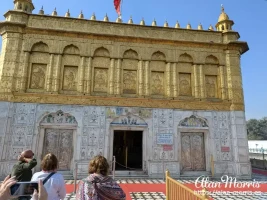
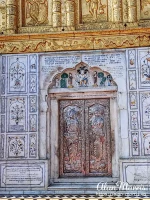
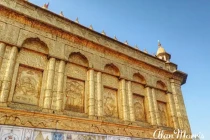
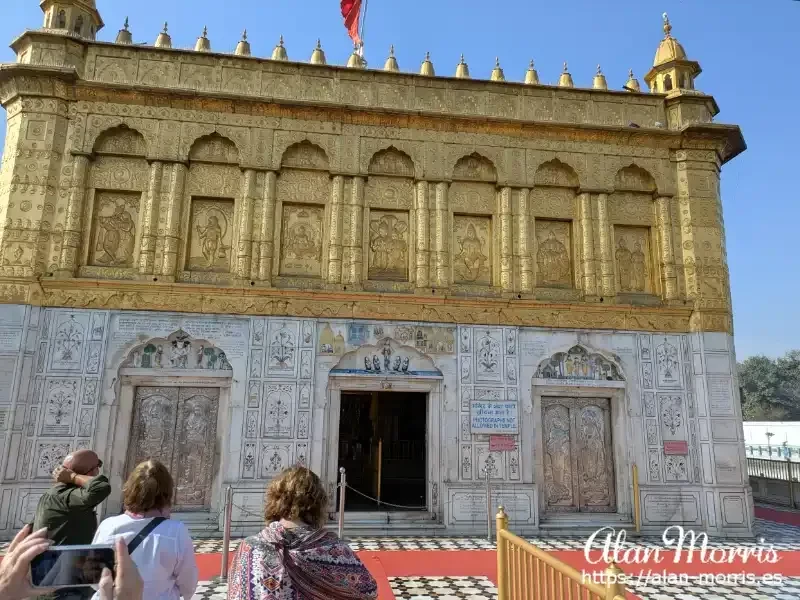
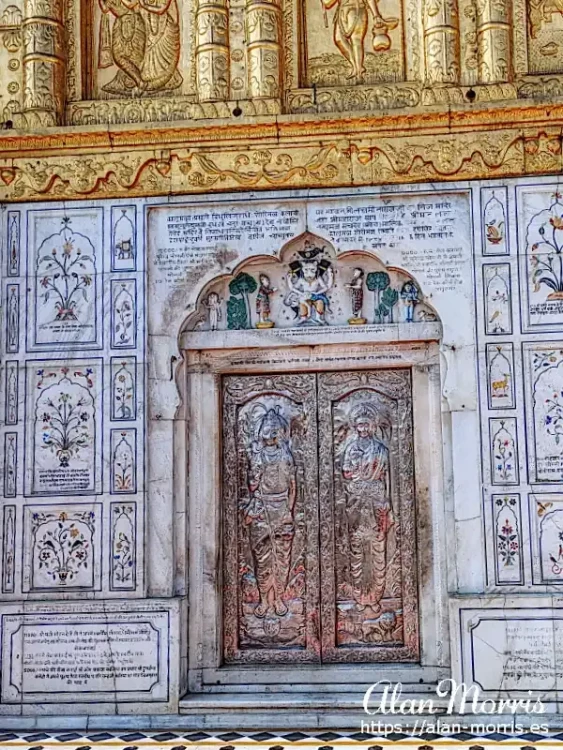
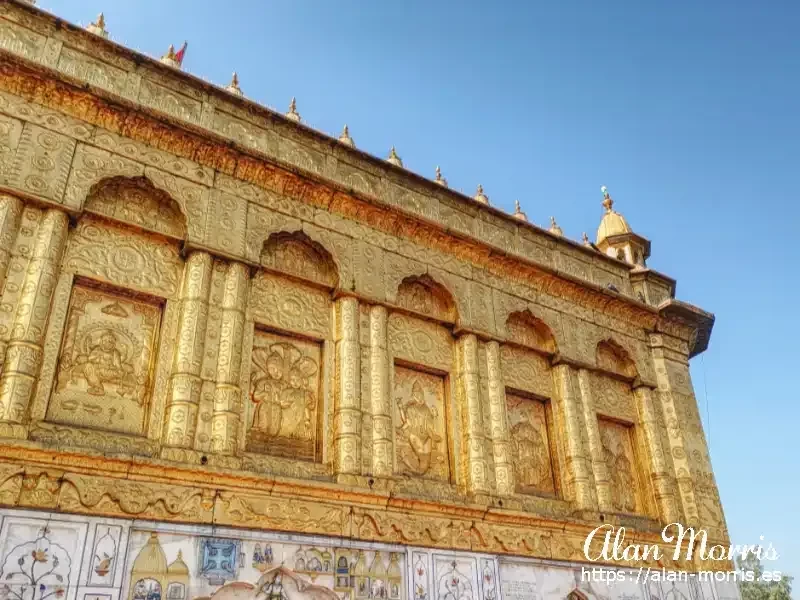
We had a short visit to the Durgiana Temple in Amritsar. After I had previously visited so many prominent temples and monuments around the world, including the Taj Mahal in Delhi and the Golden Temple last night, I wasn't overly impressed with the inside of the temple. Still, the Golden facade on the top half of the building outside was impressive. Our brief visit only lasted around 20 minutes, but we didn't need to stay any longer.
Durgiana Temple Photos.
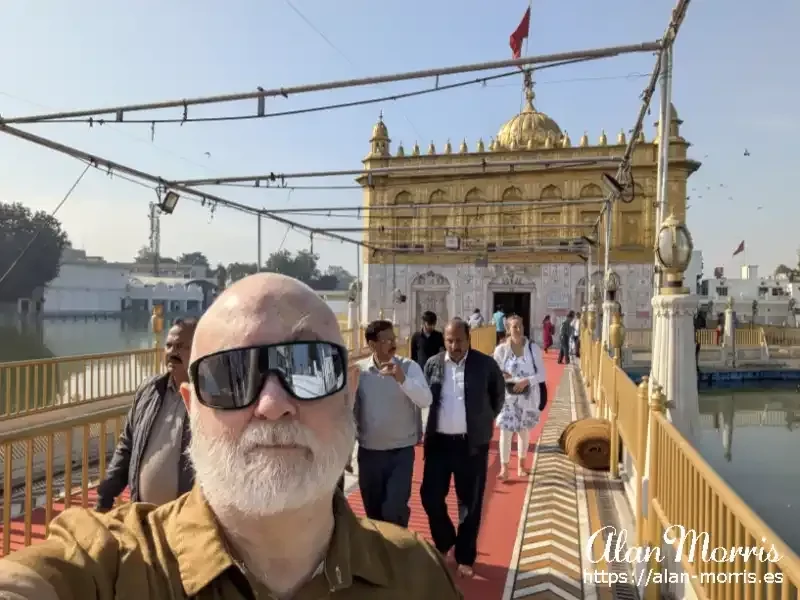
These photos are from my short visit to the Durgiana Temple. We weren't allowed to take photos inside, so these are all from the exterior.
Click on any image to see a larger version of the image with a description. Use the navigation below the thumbnail images to see the previous set of images, the next set of images, or the previous or following photo albums.


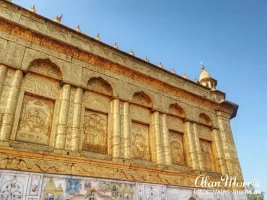
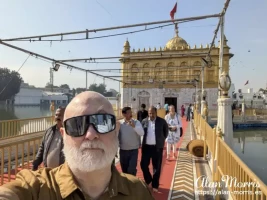
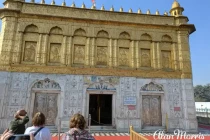
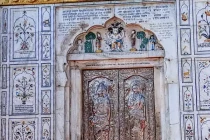
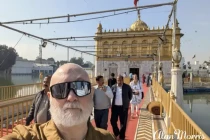
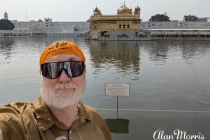
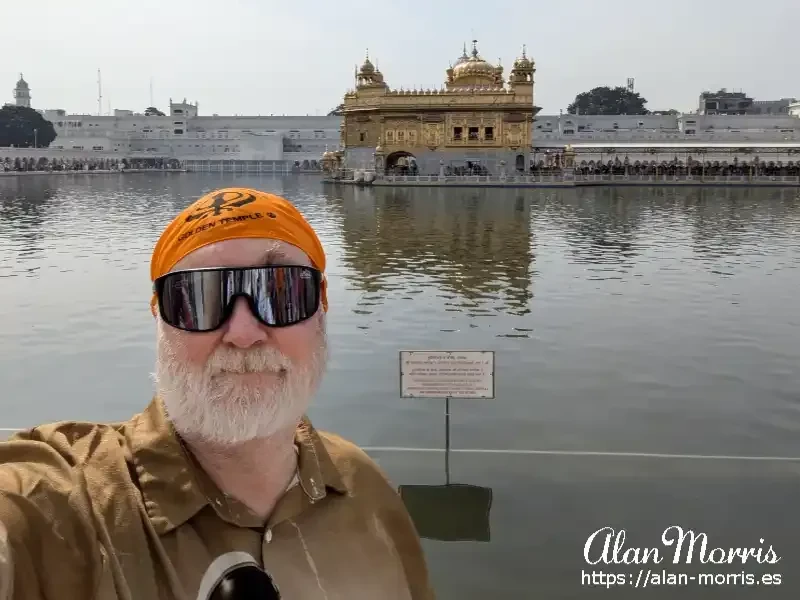
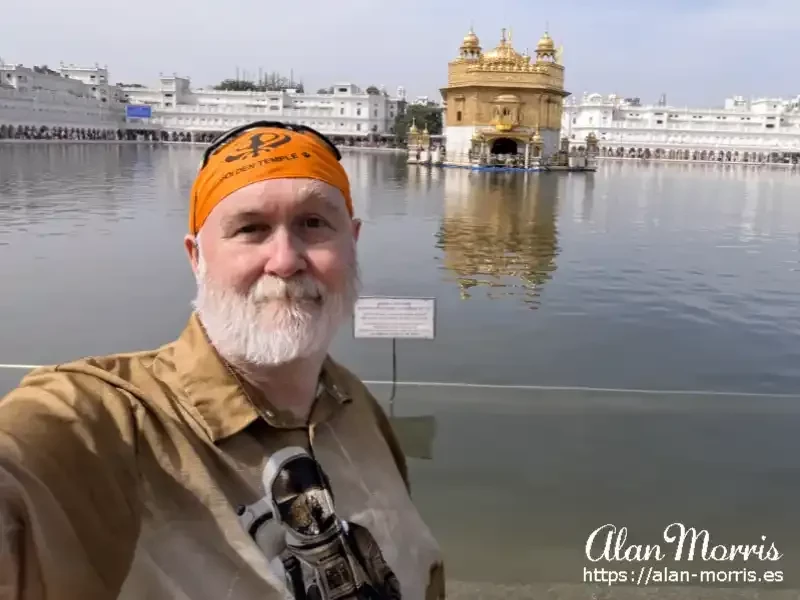
When we left the Durgiana Temple, our guide walked us to the square outside the Golden Temple. We handed our shoes in, and I was again given an orange bandana to wear inside the complex before we went inside.
Golden Temple.
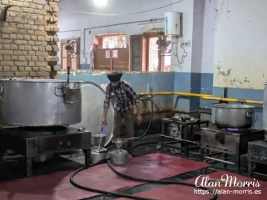
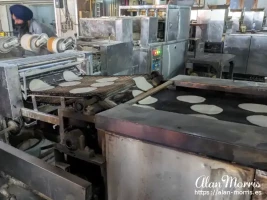
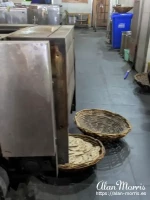
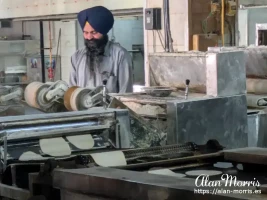
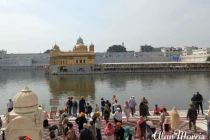
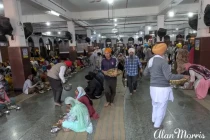
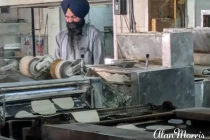
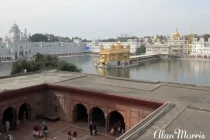
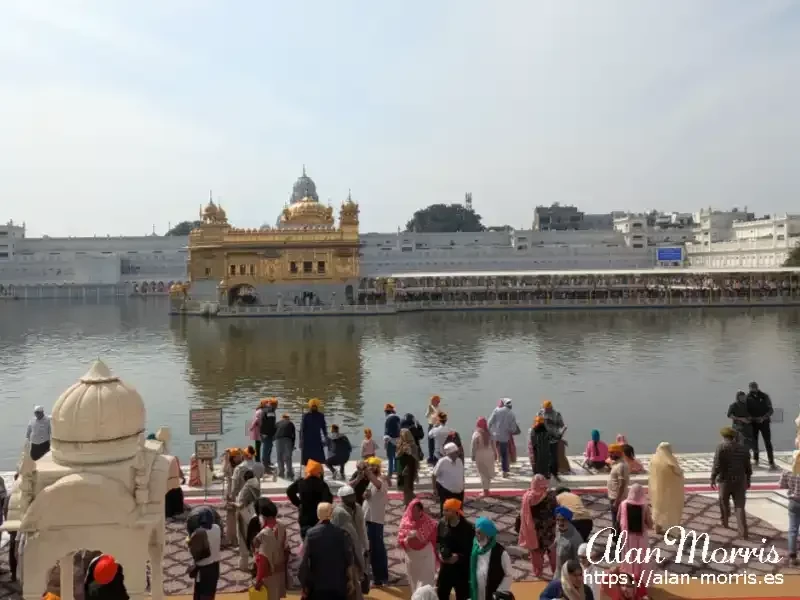
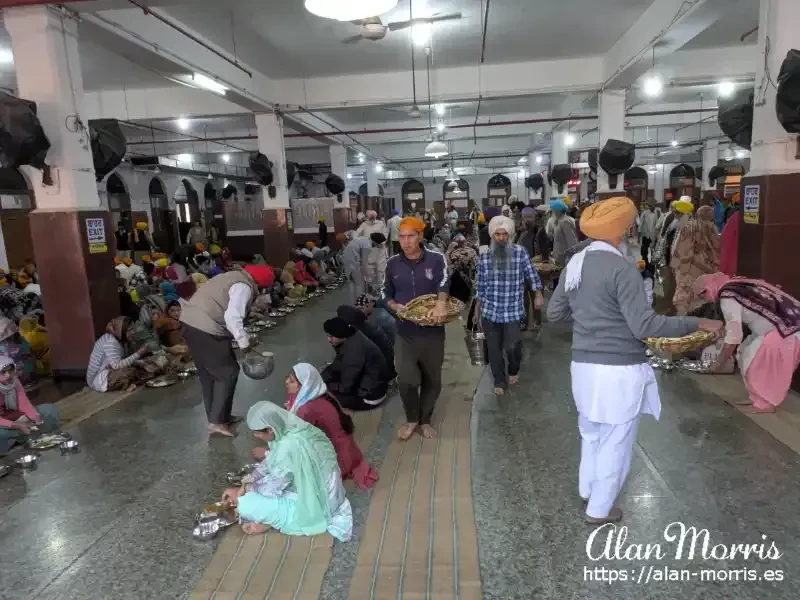
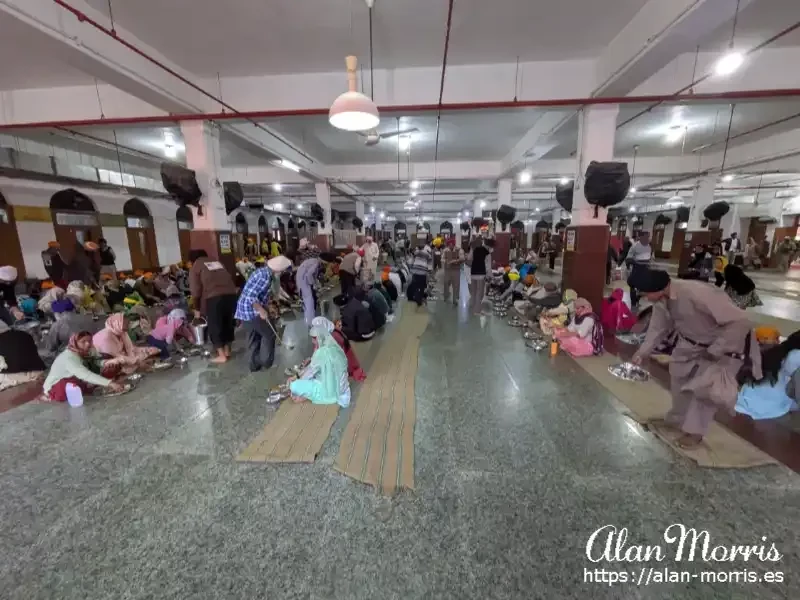
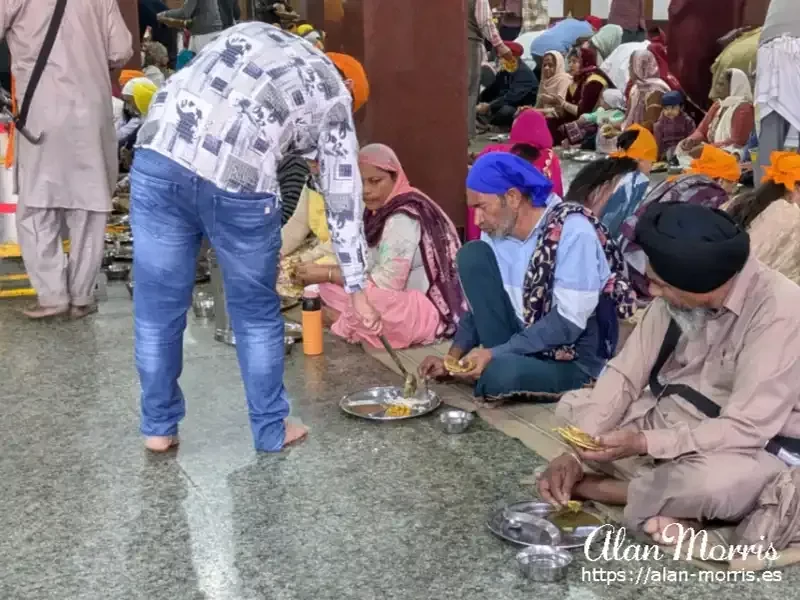
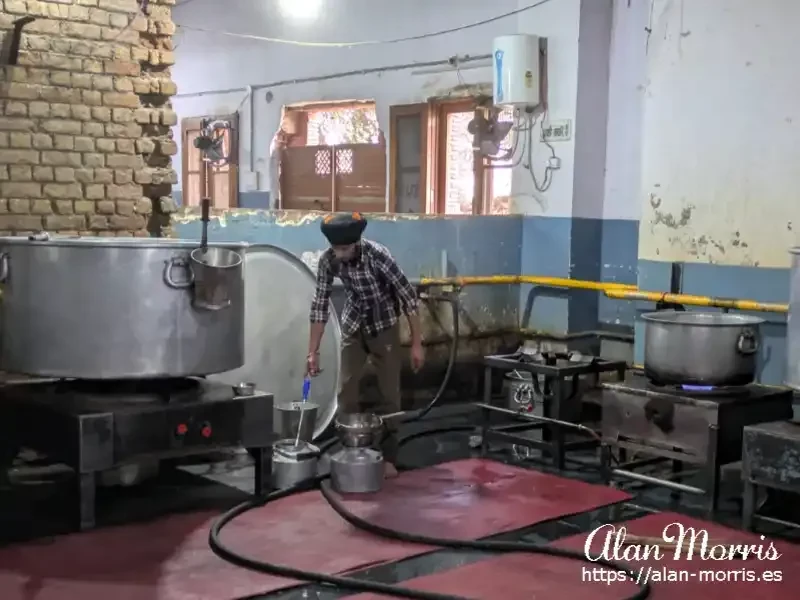
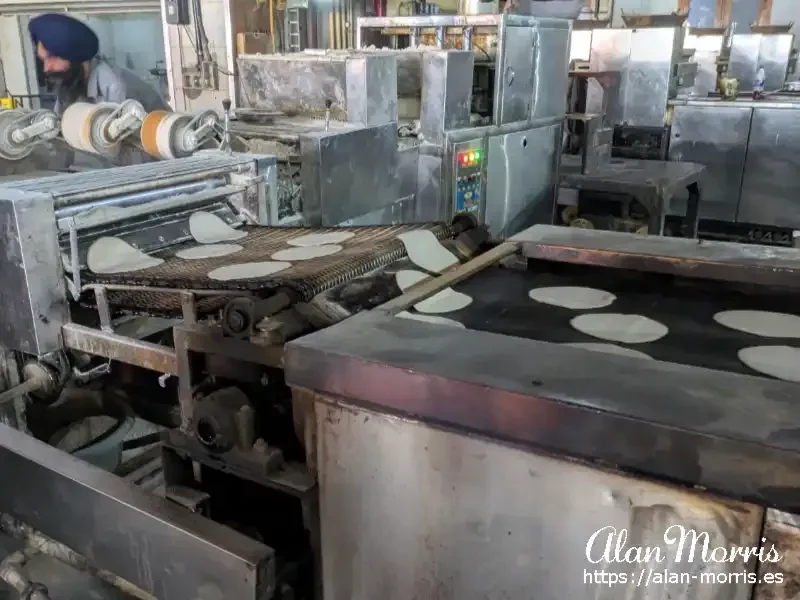
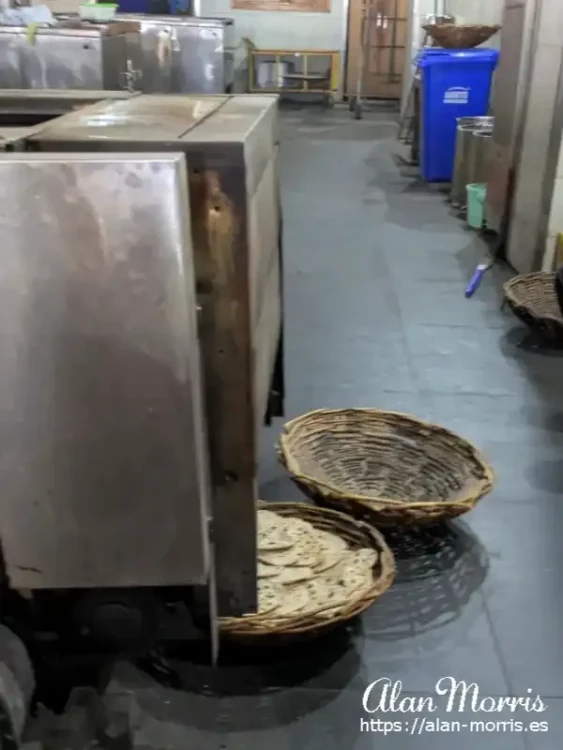
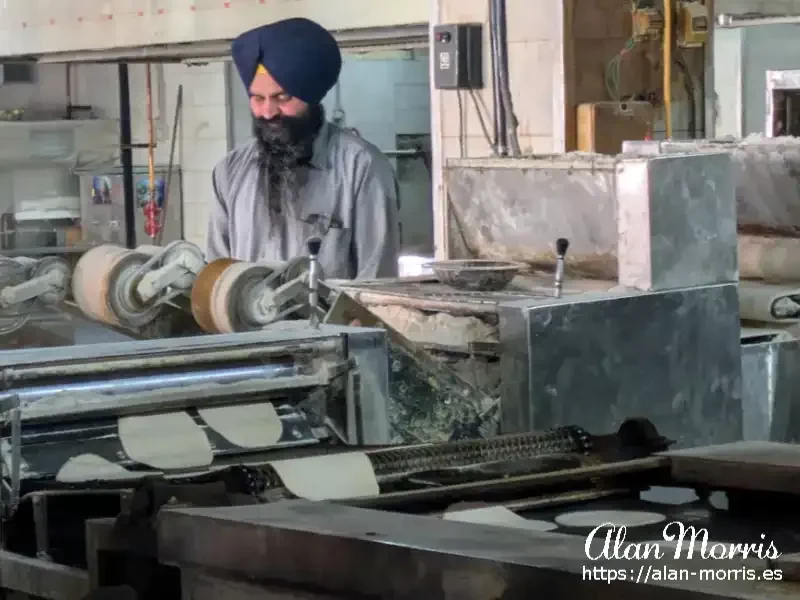
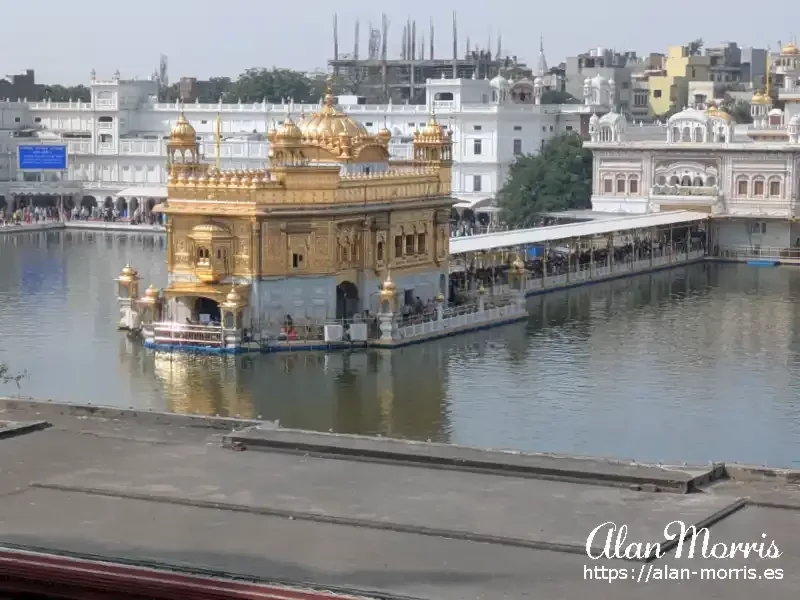
This was our second visit to the Golden Temple, and it was fascinating as we went to look around the Langar in the complex. We were told that people of any religion or background could go for a free meal at any time. We were told we could have a meal, but that if we wanted one, we would have to join the large queue of people already there. Nobody was willing to forgo our tour around the kitchen and dining area, and we were all shown around the food preparation areas where volunteers prepared the vegetables before going to see the kitchens where food was cooked and the bakery where the bread was made in large ovens. Our tour guide even took us up another level to a kitchen area to show us a view of the Golden Temple, which most people never see, from the Langar kitchen.
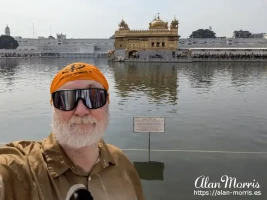
The view was brilliant and gave us a view over the entire complex. After leaving the kitchen area, we left the Golden Temple, went back to collect our shoes, and were then given time to go shopping in the shops near the temple. I asked our guide where I could go locally to buy one of the orange bandanas that we had been given to wear on our visit to the Golden Temple. He told me to keep the one I had been given to wear as a souvenir, as it would mean more to me, and that I didn't have to pay for it.
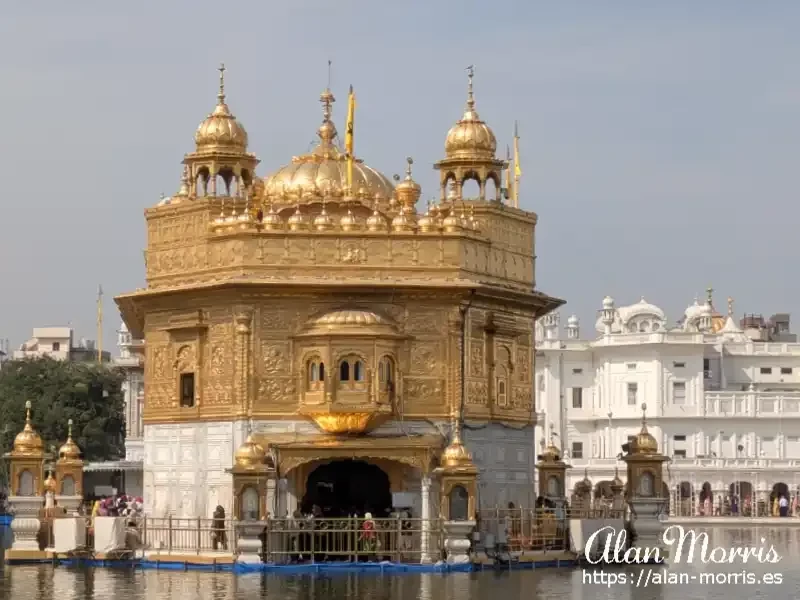
Golden Temple Daytime Photos.
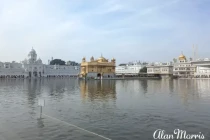
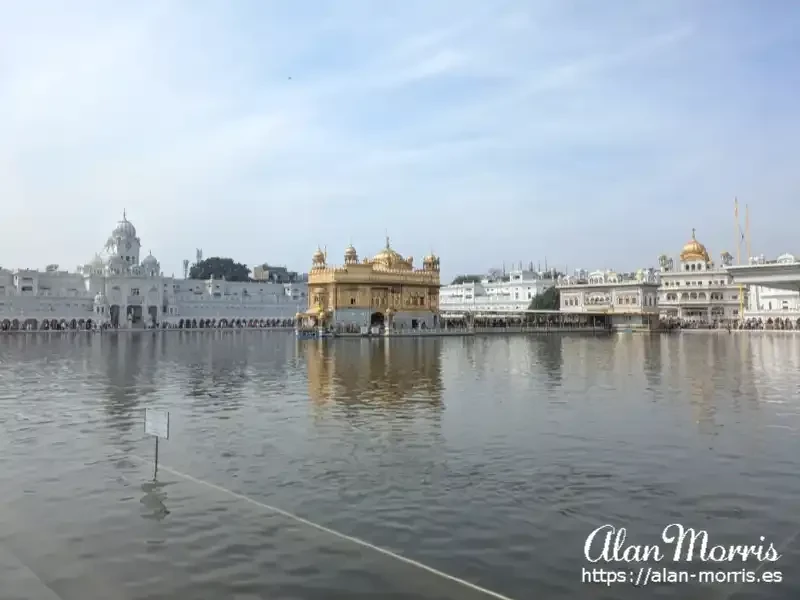
These photos were all taken on my second visit to the Golden Temple, when we visted during day time.
Click on any image to see a larger version of the image with a description. Use the navigation below the thumbnail images to see the previous set of images, the next set of images, or the previous or following photo albums.


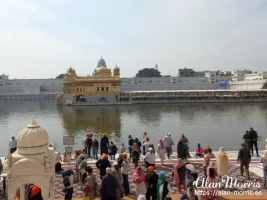
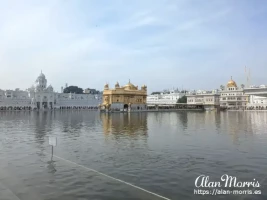
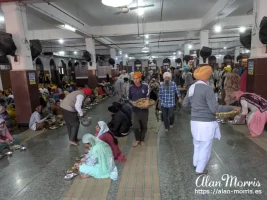
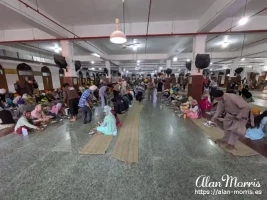
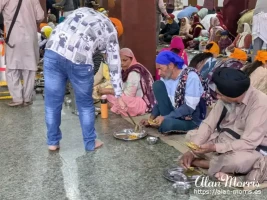


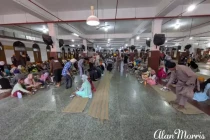
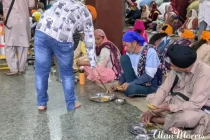
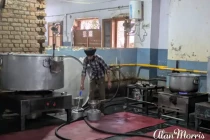

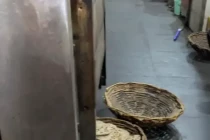


After I left the Golden Temple area, I walked around a little but didn't buy anything in the nearby stores before sitting opposite the large monument, where we were all to meet before going for dinner. The others slowly joined me, and I was amazed how people could buy so much on a holiday. I didn't like to think how much the excess baggage was going to cost some of them on our flight back to Delhi, let alone on the flight back to the UK. We all walked back to our coach and boarded it to go for dinner.
The coach dropped us off outside a restaurant that our local guide recommended. We all sat together on adjoining tables, but because we would all be paying separately, we had our orders taken separately. The staff were fantastic, quick, and in the case of the girls serving us, beautiful. The meal was the best I had in India and the best Indian food I have ever eaten. I wish all the food on our trip had been as good.
When we left, our guide hurried us back on the coach, which was outside, explaining we had about an hour's drive to get to the India-Pakistan border and that we needed to be on time to get a good seat to see the show.
Attari–Wagah Border, the banging of the gates ceremony.
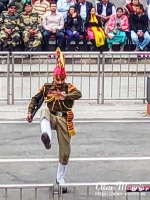
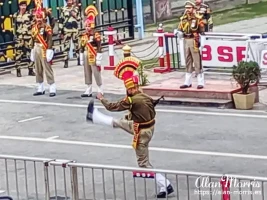
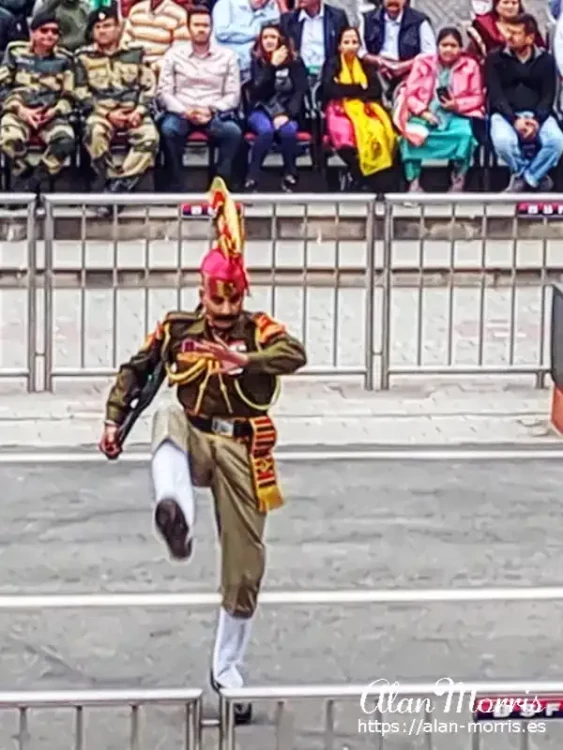
I had seen small clips of the Attari-Wagah border ceremony on TV but knew nothing about it apart from the John Cleese-like funny march that apparently was part of the ceremony. In retrospect, I wondered if this was the inspiration for John Cleese's funny walk.
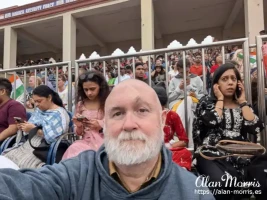
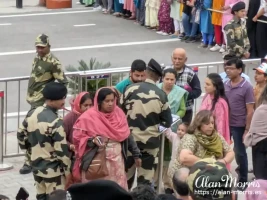
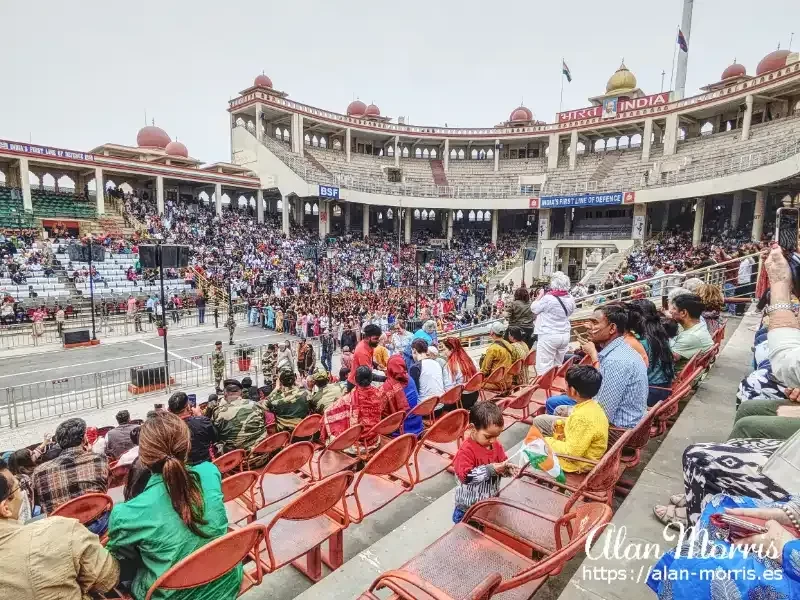
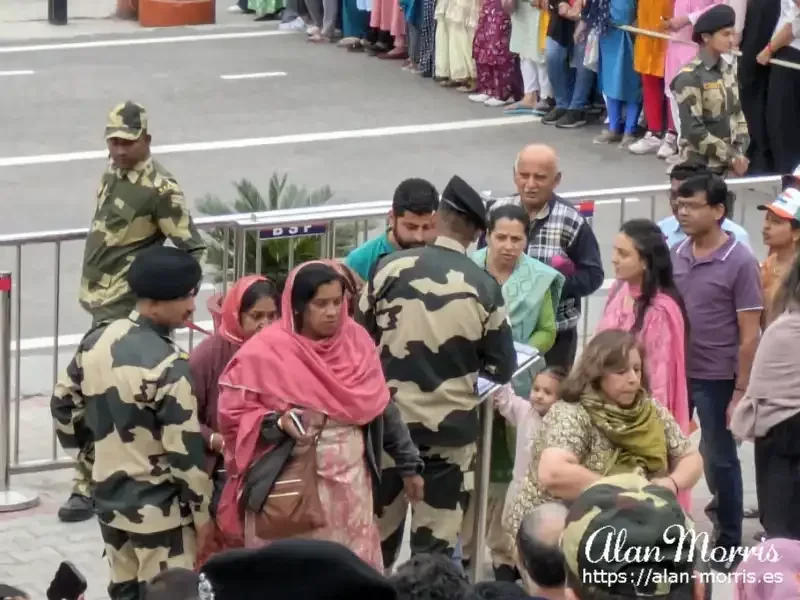
When our coach arrived at the border, we parked in a large car park. We had been told lots of times today and were reminded again before we left the coach to take our passports with us because we couldn't enter to see the ceremony without them. We walked the short distance to a security area where women and men were again screened separately. As we began queuing up to go through to the area where the ceremony was at the India-Pakistan border, one of the women told us that she didn't have her passport and had left it in the coach. It was at this point that my admiration for tour guides everywhere increased. One of the guides walked back to the coach with the lady so that she could get back onboard to collect her passport and get in to see the ceremony. As a group, the rest of us waited for the lady to return and come through the security screening. I wasn't the only one wishing we could move on to guarantee our seat in the stadium that we could now see in front of us. When the lady finally returned, we moved on to the stadium. We showed our passports again at different gates; then we were shown to some seats. We were told by our guide that the ceremony would end with the lowering of both countries' flags and that when they got halfway down, we should leave to avoid the crowds of people all leaving the stadium. He wanted to leave the car park and get back on our journey to Amritsar without getting held up for hours.
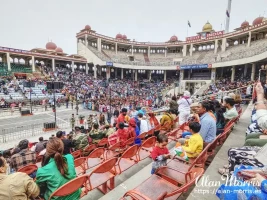
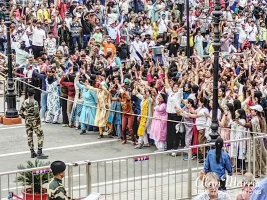
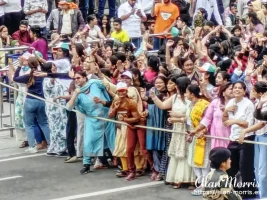
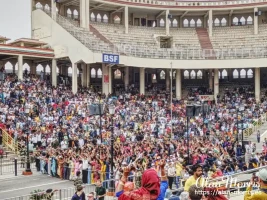
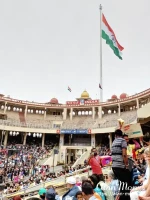
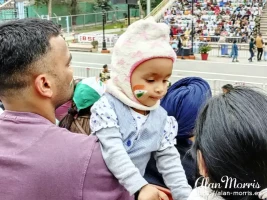
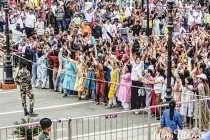
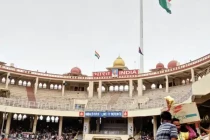
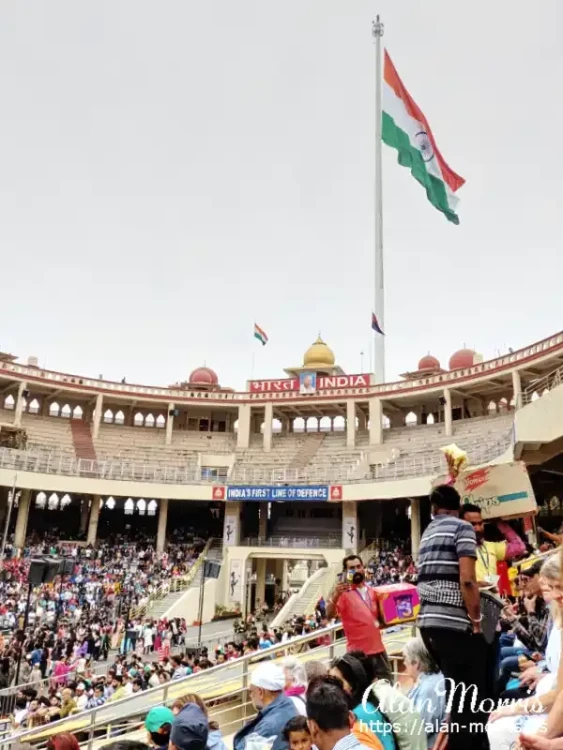
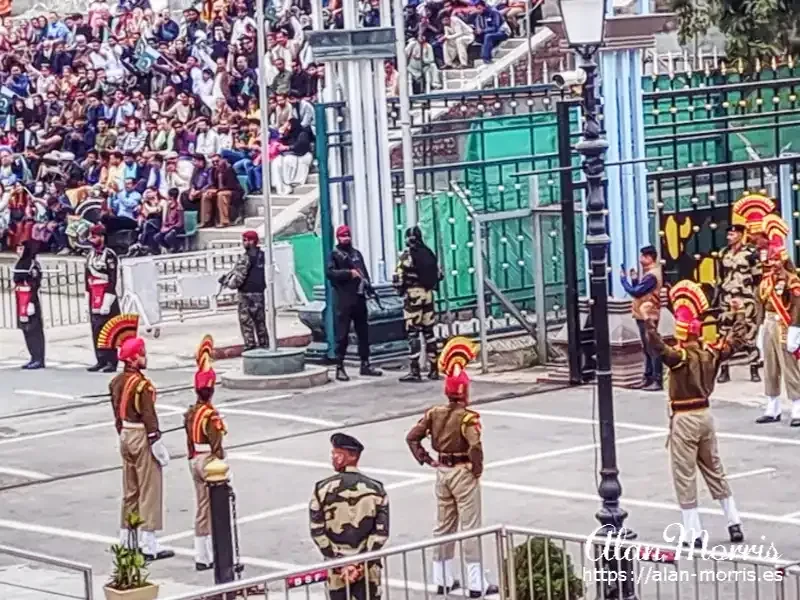
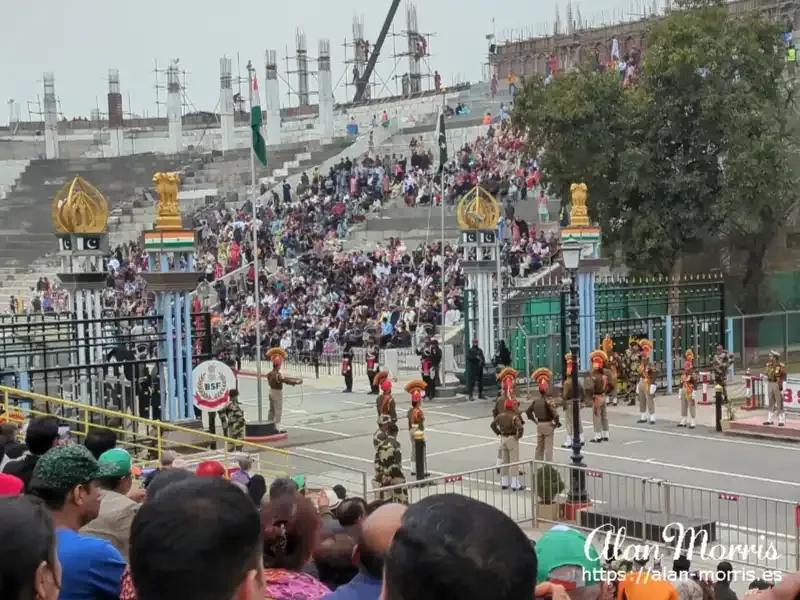
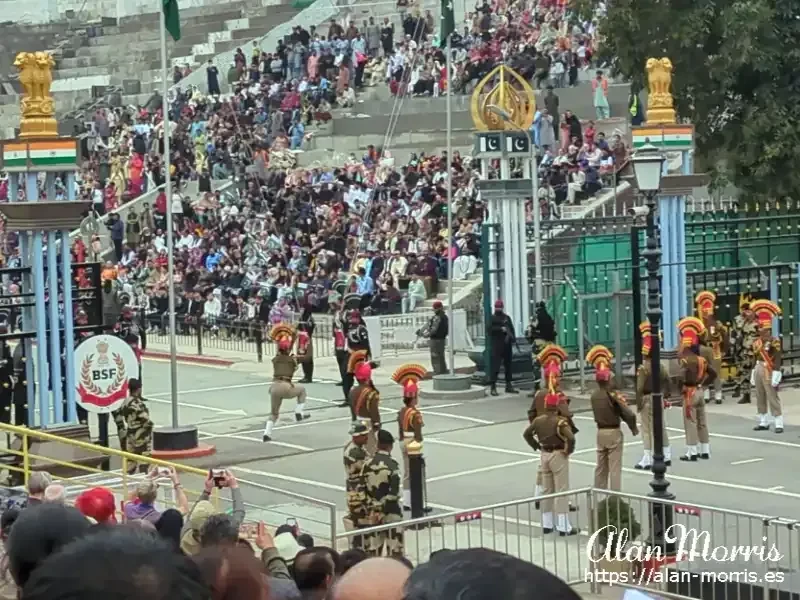
The stadiums on each side of the border crossing, we were told, held around 20,000 people each. The U-shaped stadium we were sitting in had its open side towards the border gates, and there was a large road running through the stadium to the gates themselves. An area of the road was sectioned off before the ceremony started, and thousands of women gathered there to sing and dance. It looked like an open-air, women-only disco, and the ladies, all ably led by a very camp compere, were led through different songs which challenged the audience on the Pakistan side of the border. The sound system was fantastic; it was like being at an open-air concert. The noise and the music blaring out through the sound system were too loud for me to hear if the Pakistan side of the border had anything similar. My position in the stadium didn't allow me a straight view of the Pakistan side of the border to see if people were dancing and singing in the same way on that side of the border. Still, I got a clear view of the gates, the dancing and the ceremony that unfurled later. From what I could see, it looked like the Pakistani side was in the middle of building their stadium. Still, I could see thousands of people seated in it, waving Pakistani flags at the Indian flag-waving audience on the Indian side of the border.
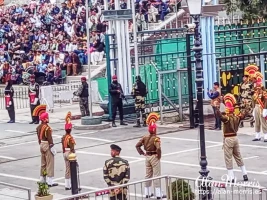
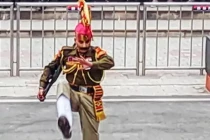
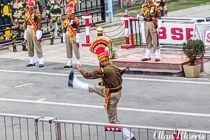
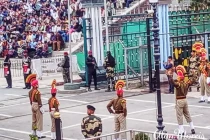
Before the ceremony started, the dancers were ushered back to their seats in the stadium. The ceremony started, and it was fantastic. I had never seen anything like it in my life, and it became one of the highlights of my India tour. I don't know if it was designed that way or if it just appeared to be, but it acted out like a gay pride parade with the campest sergeant major leading it that I have ever seen. It was typical of a Butlins Holiday Camp, entertainment evening. I was both impressed, amused and entertained all at the same time and didn't want it to end. All too soon, it was over, and we hurriedly left the stadium as the flags of India and Pakistan were lowered.
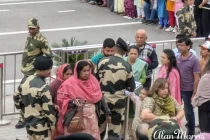
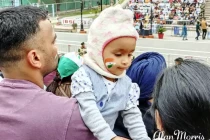
Attari–Wagah Border Photos.
These photos are from my trip to see the incredible Attari Wagah border ceremony.
Click on any image to see a larger version of the image with a description. Use the navigation below the thumbnail images to see the previous set of images, the next set of images, or the previous or following photo albums.















Video of the Attari–Wagah Border Ceremony.
I videod much of the ceremony, but even this does not do justice to the ceremony and the event that I witnessed; it was terrific.
Video will appear here soon.
We stopped on the walk back to the coach to allow us all to use the toilets, but then got back on our coach. Despite the crowds all leaving from the same car park, we didn't get held up for too long and were soon on our drive back to Amritsar.
I don't know if it was the long day or the painkillers that I took for the ache in my leg, but I don't remember much of the drive home, apart from the night sky and the passing countryside that I saw as I drifted in and out of sleep. When we got back to the hotel, I went back to my room and went to sleep.